





Glass blowing
Stained Glass Windows: Managing Environmental Deterioration, published by Historic England in 2020, suggests that glass blowing is a: ‘Glass-forming technique, probably developed in Babylonia and the Middle East by the 1st century BC. Molten glass is gathered into a ball on the end of a hollow pipe, and rolled on an iron former to roughly shape it and to slightly cool the surface. Then the pipe is used to blow air into the glass and form it into a bubble. By repeated blowing, shaping and reheating, the glass can be formed in many ways.’
Archaeological Evidence for Glassworking, Guidelines for Recovering, Analysing and Interpreting Evidence, published by Historic England in 2018, defines a blowing iron as: ‘A long iron tube that was dipped into the molten glass to collect a gather for subsequent inflating and shaping.’
It defines optic blowing as a process in which: 'A gather of glass is blown into a mould with a pattern on the inner surface, which transfers to the glass. Continued free blowing results in movement and distortion of the pattern.'
And overblow as: 'A by-product of mould blowing, referring to the glass that remains outside the mould, which is removed and recycled.'
It defines paraison as: 'The partially inflated gather of glass at the end of the blowing iron.'
And paraison end as: 'A marble-shaped blob of glass pinched from the end of the gather during the blowing of particular forms, such as the bowls of goblets.'
[edit] Related articles on Designing Buildings Wiki
Featured articles
Check out some of the best features and news from Designing Buildings as well as key stories from around the web.
Building Safety Newsletter from MHCLG.
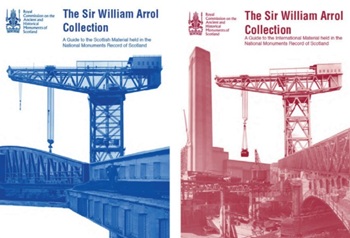
An extraordinary record of steel engineering worldwide.
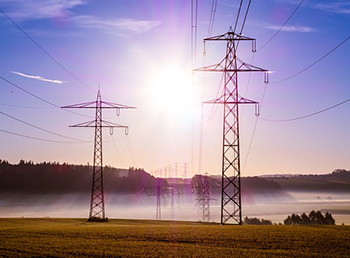
Households living near new pylons to save on bills.

ECA warns growth must not outpace grid capacity or skills.
The role of the client and decision making

CIOB response to built environment professions call for evidence.
Construction's sustainability reporting revolution
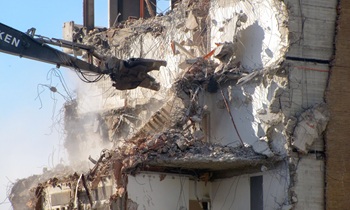
Tracking upfront embodied carbon with digital tools.
ECA welcomes procurement reforms

Public spending must back British jobs and skills.
Campaigning for Edinburgh: the Cockburn Association 1875-2049
The role of the civic voice in protecting character. Book review.

CIOB photography competition is open for entries.
ECA Edmundson apprentice of the year award
Finalists announced.
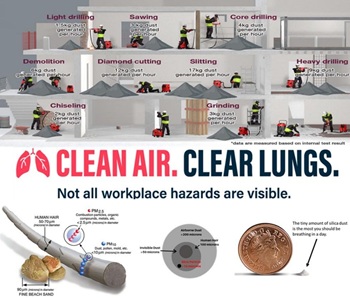
Major new study exposes serious knowledge gaps.
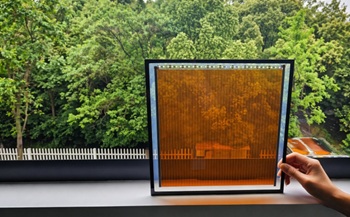
Generating energy from internal light as well as sunshine.